Pipe wear is a reality every concrete pumping operation lives with—but misunderstandings about where it occurs, how to measure it, and how operating practices accelerate or slow wear can lead to premature failures, unplanned downtime and unnecessary risk.
How do I choose what pipe to fit on my boom?
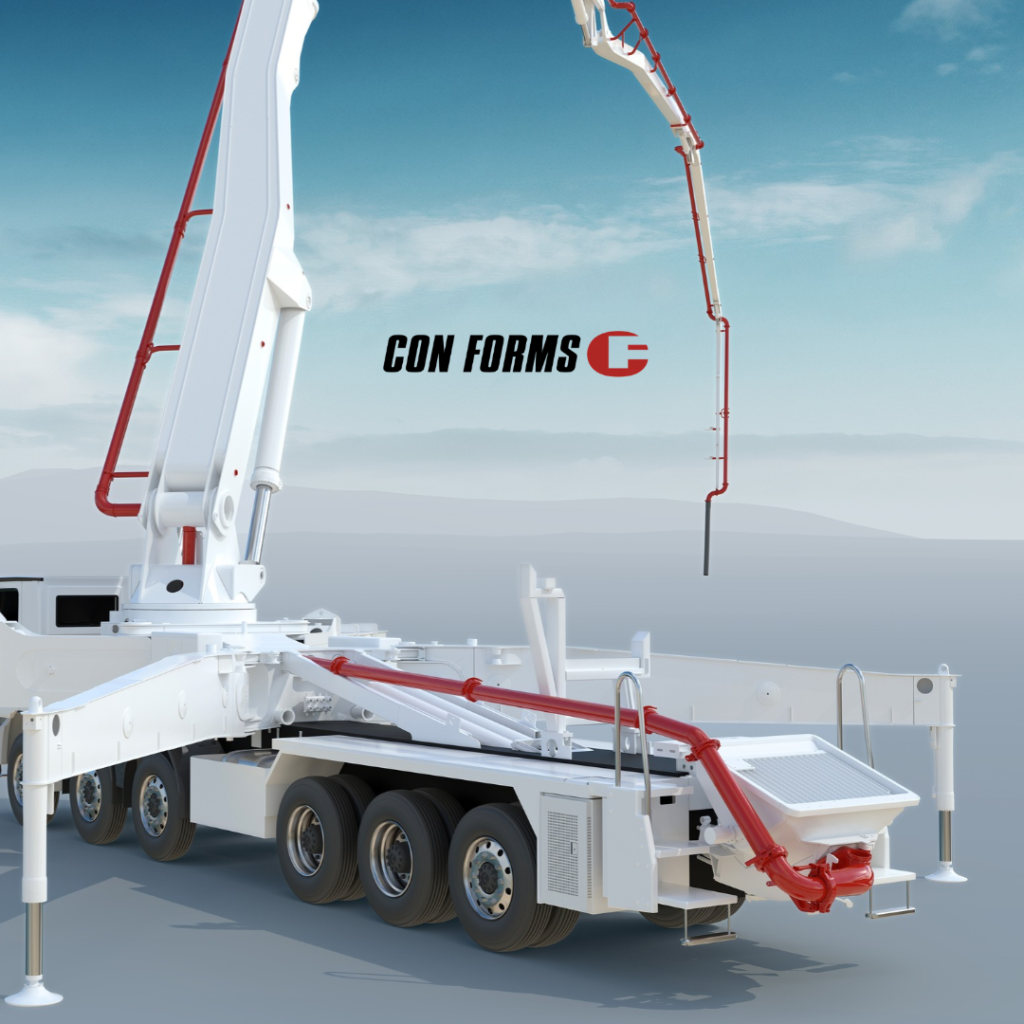
Manufacturers of concrete boom pumps have a strict weight limit for the pipe installed on their booms. This weight limit must be adhered to, as the boom is not engineered for pipe that is heavier than allowed. To ensure compliance, compare the pump manufacturer’s stated maximum weight per foot of boom pipe with what your pipe vendor offers as a replacement. Your pipe supplier should provide figures for both dry weight and weight when full of concrete for each pipe section on your boom. Using overweight pipes can cause numerous safety and structural issues with your boom pump.
Where does pipe wear actually show up first?
Wear most often appears in pipe located next to bends. Changes in direction introduce turbulence, increasing abrasion along specific areas of the pipe wall. On boom pumps, crossover sections—typically a bend, straight pipe, then another bend—experience higher than average accelerated wear and should be inspected more frequently than other areas near bends. Transition areas should be inspected more frequently.
Which components are most commonly misjudged?
Short pipe sections adjacent to bends and crossover assemblies are often overlooked. Despite their size, these components experience concentrated abrasion and can wear out faster than longer straight runs.
Which inspection method applies to which pipe type?
Single-wall pipe can be inspected with ultrasonic thickness testers, often without removing it from the boom, while twin-wall pipe must be removed and measured with calipers. Ultrasonic testing is not recommended for twin-wall pipes due to unreliable readings caused by layered metals and air gaps.
What readings actually matter?
Multiple readings are essential. Pipe wear is rarely uniform, so inspectors should identify and record the thinnest wall section. Visual indicators can help guide where to measure. When unsure, consult your pipe supplier for guidance.
When can ultrasonic testing be misleading?
Ultrasonic testing is misleading when used on twin-wall pipe. The construction of twin-wall pipe disrupts ultrasonic signals, leading to inaccurate wall-thickness measurements.
How do single-wall and twin-wall inspection practices differ?
Single-wall pipe can be tested while installed or removed, offering flexibility and speed. Twin-wall pipe must be removed for caliper measurement and handled carefully to prevent damage to the internal liner.
How do I measure the wall thickness of twin-wall pipes?
To properly measure twin-wall pipe, the system needs to be opened so the pipe can be measured correctly. The primary field method is a deep-throat micrometer or specialized caliper to measure the total pipe thickness past the weld end, using the thinnest reading as the controlling measurement.
What if one pipe measures below the minimum limit for safety?
Concrete flow depends on a smooth boundary layer. While it is important to remove and replace pipes that measure below the minimum safe limit, mixing new pipe with worn pipe creates internal diameter steps that disrupt flow, cause turbulence and accelerate wear.
My pipe supplier provided the minimum thickness to which I can wear my pipe down. Can I use this minimum thickness value for all my pipes?
No. Pipe producers use different metal chemistries and manufacturing methods to make pipes, and these differences significantly impact safe operation as the pipe wears. Operators should always contact their pipe supplier for the minimum thickness and allowable pressure for that pipe model.
How should pipe be rotated to extend service life?
Rotate pipe in stages to distribute wear: 270 degrees for the first rotation, 180 degrees for the second and 90 degrees for the final position. Consistent documentation from your safety and maintenance team is critical, as tracking dates and yards poured since your last inspection and rotation will help get the most operating life from your system.
What mistakes cause premature pipe failure?
Most premature failures come from mechanical damage. Impact, denting and loose brackets during pumping create stress on both the outer and inner pipe walls. Unrestrained boom movement during travel can fracture liners and speed up wear, so use boom tie-down straps to reduce the risk of damage while driving.
How many cubic yards or cubic meters can I pump through my pipe kit before replacement?
Many factors affect pipe wear; pumping line pressure and speed are two of the biggest factors. Fast pumping at high pressures can accelerate your pipe wear by two to three times or more than the same slower, low-pressure pumping boom truck.
Aggregate in the concrete affects pipe wear. Rounder rocks and natural sand are less abrasive than crushed rock and manufactured sand. Chemicals in concrete mixes are also a factor in pipe wear. Concrete mix designs are increasing the amount of chemicals in mixes and reducing the amount of cement and water. Some of these changes are making the mix designs more abrasive on the boom pipes, forcing the pumps to work harder and at higher working line pressures.
Time and history are the only true indicators of boom pipe longevity. By accurately tracking pressures, pumped yardage and rotation schedules, you can develop a more accurate estimate of useful life for your fleet in your operating regions. Effective pipe wear management requires an understanding of flow dynamics, proper wall-thickness measurement practices and the prevention of mechanical damage. Proactive inspection and documented usage and maintenance records will extend service life, improve safety and help you get the most from your boom pipe systems.