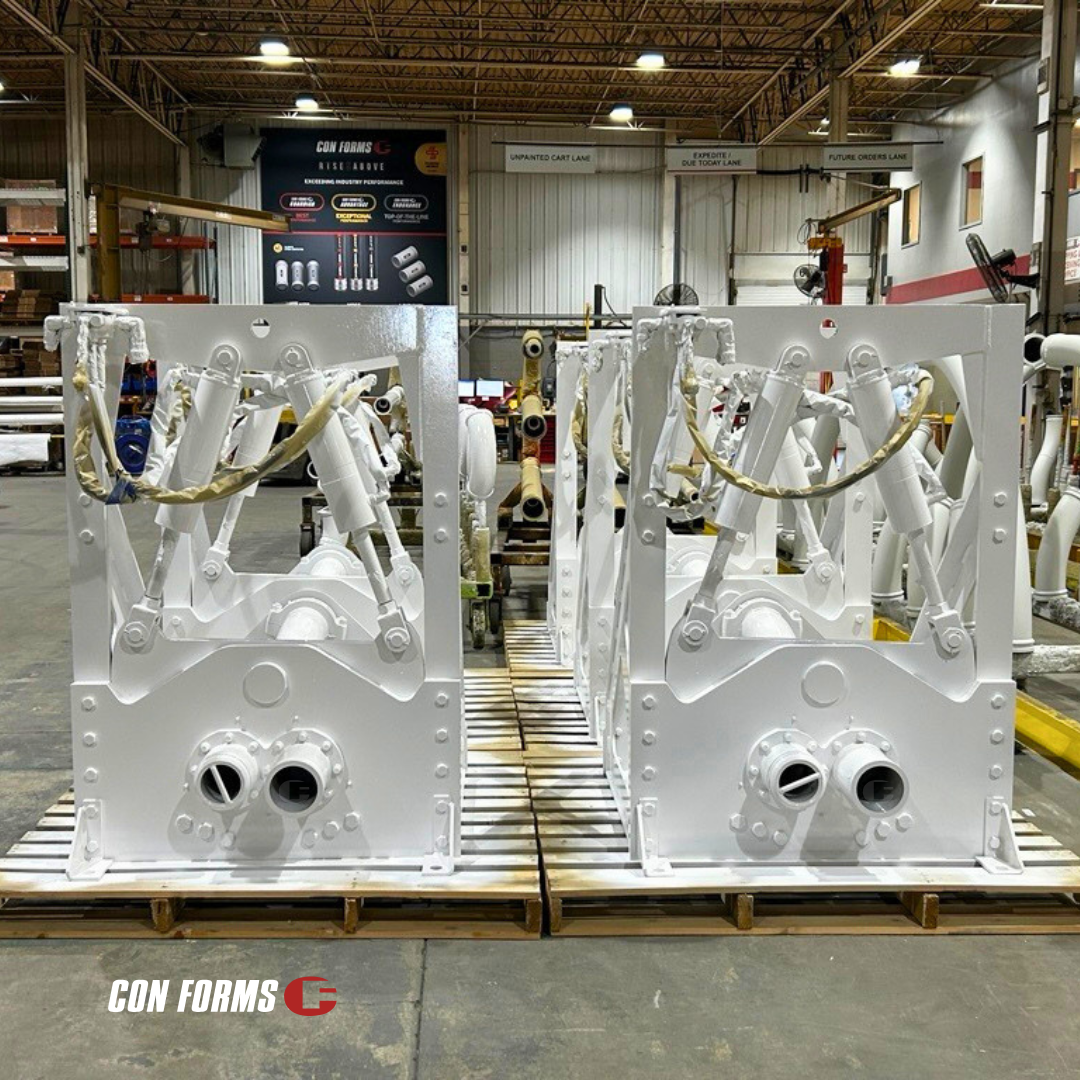
Concrete pump trucks are the workhorses of modern construction, and their boom systems are critical to safe and efficient operation. Among the most vital components is the boom system, the conduit through which high-pressure concrete is pumped. Regular inspection and rotation of these pipes are essential to prevent failures, reduce downtime, improve jobsite safety, and maximize the lifespan of your boom kit.
Why Boom Pipe Inspection Matters
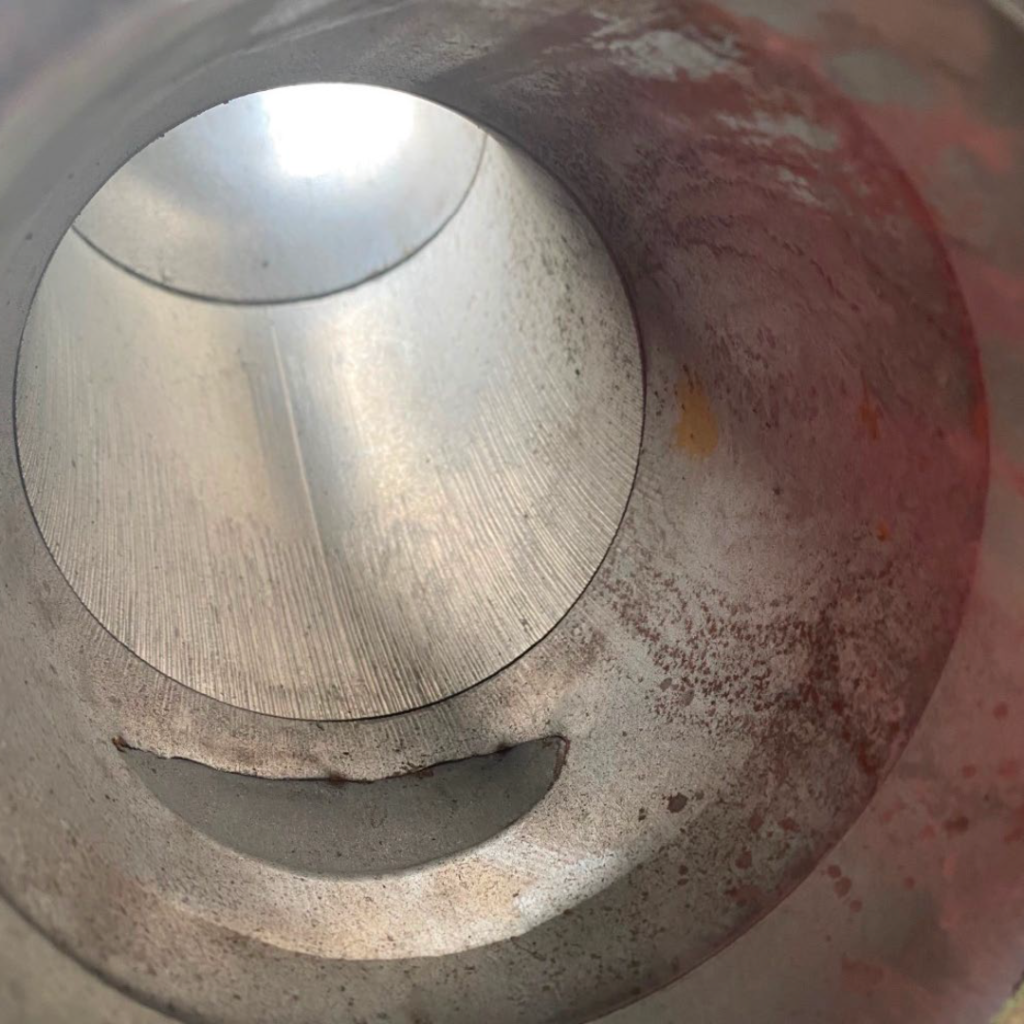
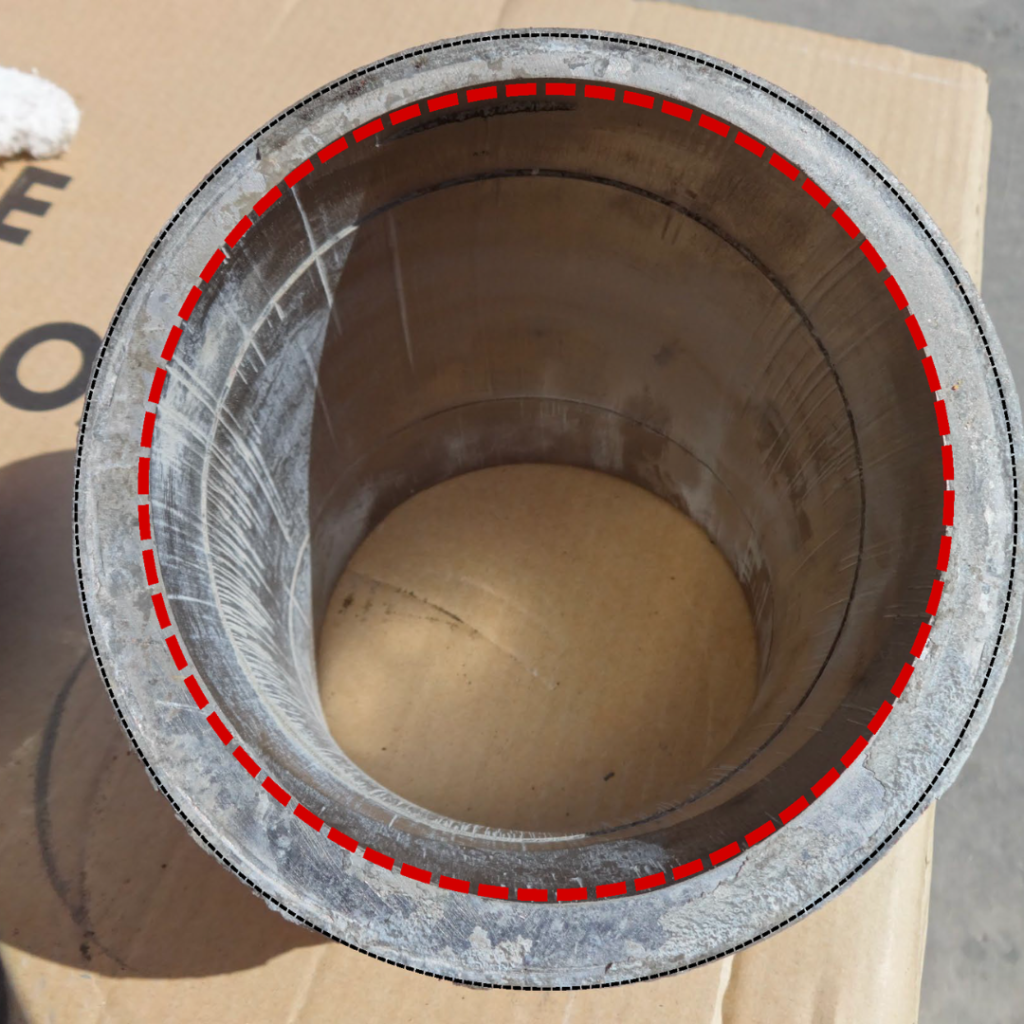
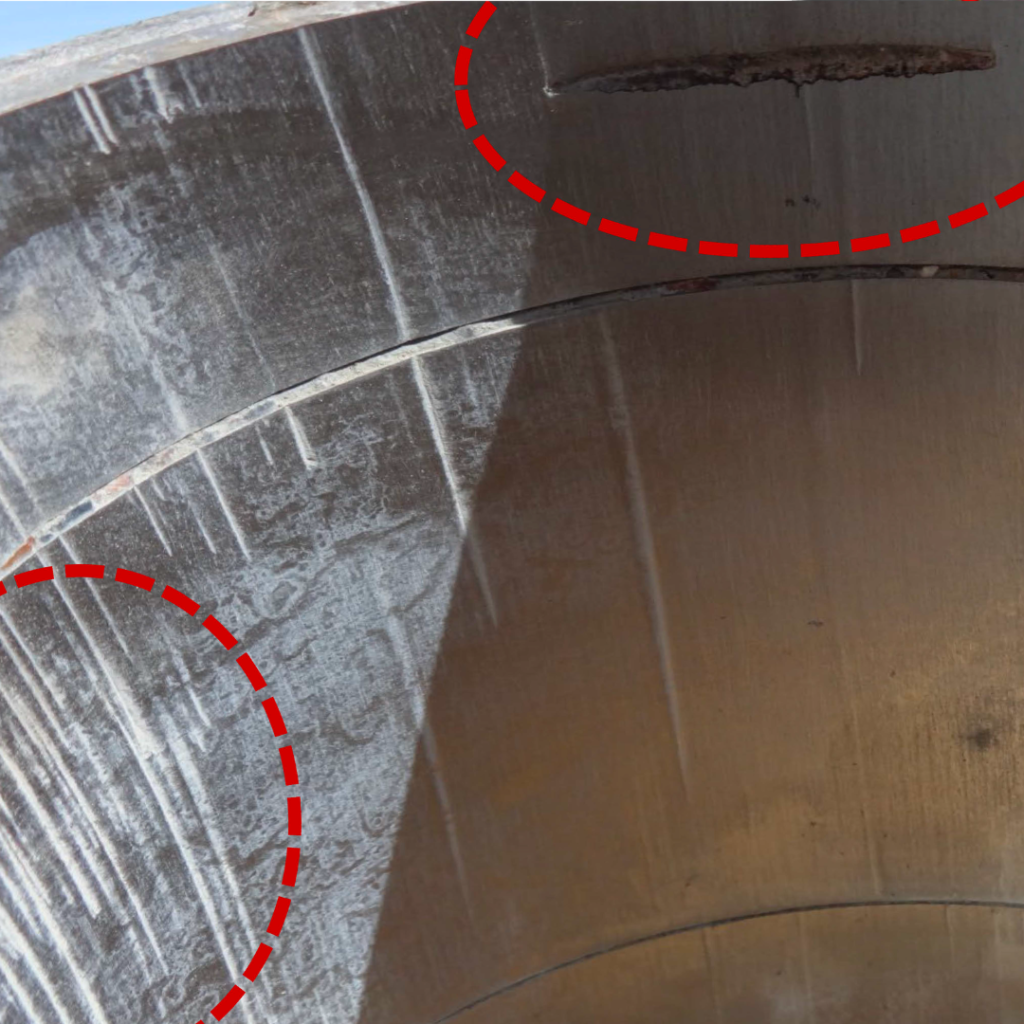
Boom pipes endure extreme wear due to the abrasive nature and pressures involved in pumping large volumes of concrete. Over time, this wear can lead to thinning walls, leaks, or even catastrophic pipe bursts. Regular inspections are necessary to prevent accidents, minimize delays on the job site, and maximize the lifespan of your boom pipe.
It is vital to start with CPMA-certified components. These products are regularly audited to confirm that the specifications they claim are accurate. Consistency and higher-quality materials are much more important to suppliers who must pass these audits to maintain certification.
Over time, the inner walls of boom pipe start to thin, but not all areas wear at the same rate. There are specific high-wear areas that require extra attention: elbows, reducers, cross-over locations, and the first pipe after the turret are all subjected to additional pressure, turbulence, and internal abrasive wear.
Consistent inspection of high-wear areas is a good indicator of the overall health of your boom kit. Remember, your system’s safe working pressure is dependent upon the weakest link. Identify these high-wear areas and use them to determine system life. The manufacturer should be able to offer guidance on the best practices that will help you to get the longest life and highest value from your boom pipe.
Traditional Inspection Methods
Historically, inspecting boom pipes has involved a combination of:
- Visual Inspection: Looking for visible signs of wear, such as cracks, dents, or leaks.
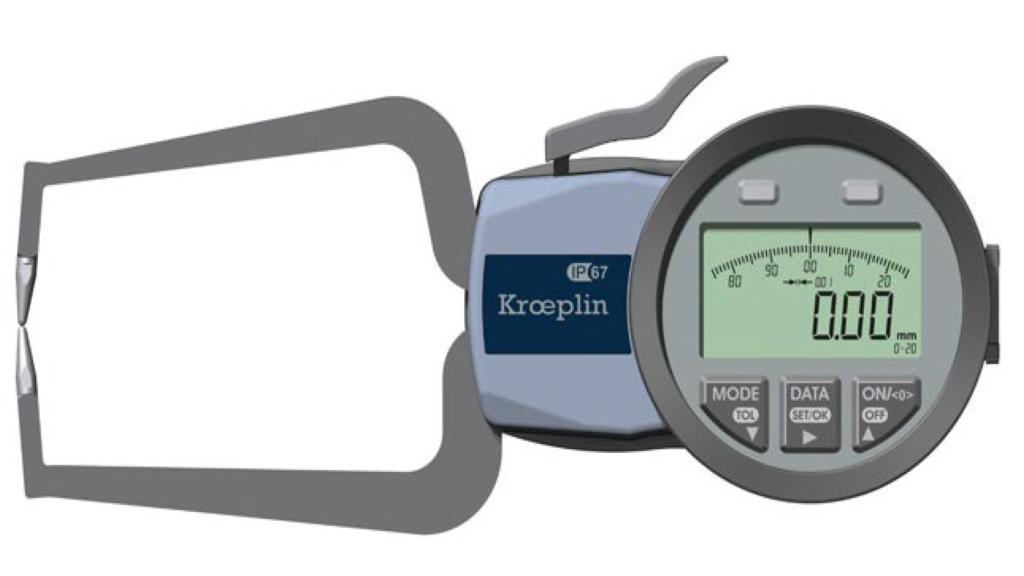
- Wall Thickness Measurement: Using ultrasonic thickness gauges to detect thinning pipe walls on single-wall pipe, or digital, deep-throated calipers for twin-wall.
- Manual Disassembly: Removing sections of pipe to inspect internal surfaces.
Best Practices for Boom Pipe Inspection
Documented and scheduled system inspections are essential. Here is a recommended inspection checklist:
1) Daily Checks (Before you leave for the job)
- Inspect for visible cracks, dents, pinholes or unusual wear.
- Check pipe clamps and gaskets for secure fit and integrity. Replace any leaking gaskets and check for underlying issues, especially if a clamp is excessively leaking.
- Look at the boom brackets for loose, broken mounts or tabs.
2) Weekly Checks
- Identify your high-wear areas and inspect them regularly. Use ultrasonic testers (single-wall) or digital calipers (twin-wall) to spot-check wall thickness at high-wear points (elbows, reducers, transition points).
3) Monthly or Scheduled Maintenance
- Conduct a complete system inspection at least three times throughout the system’s life. In high-wear areas, replacement may be necessary. Be sure to know when it’s time to replace the highly worn parts. To reduce this, follow the practice of rotating pipes and elbows.
What does the future hold?
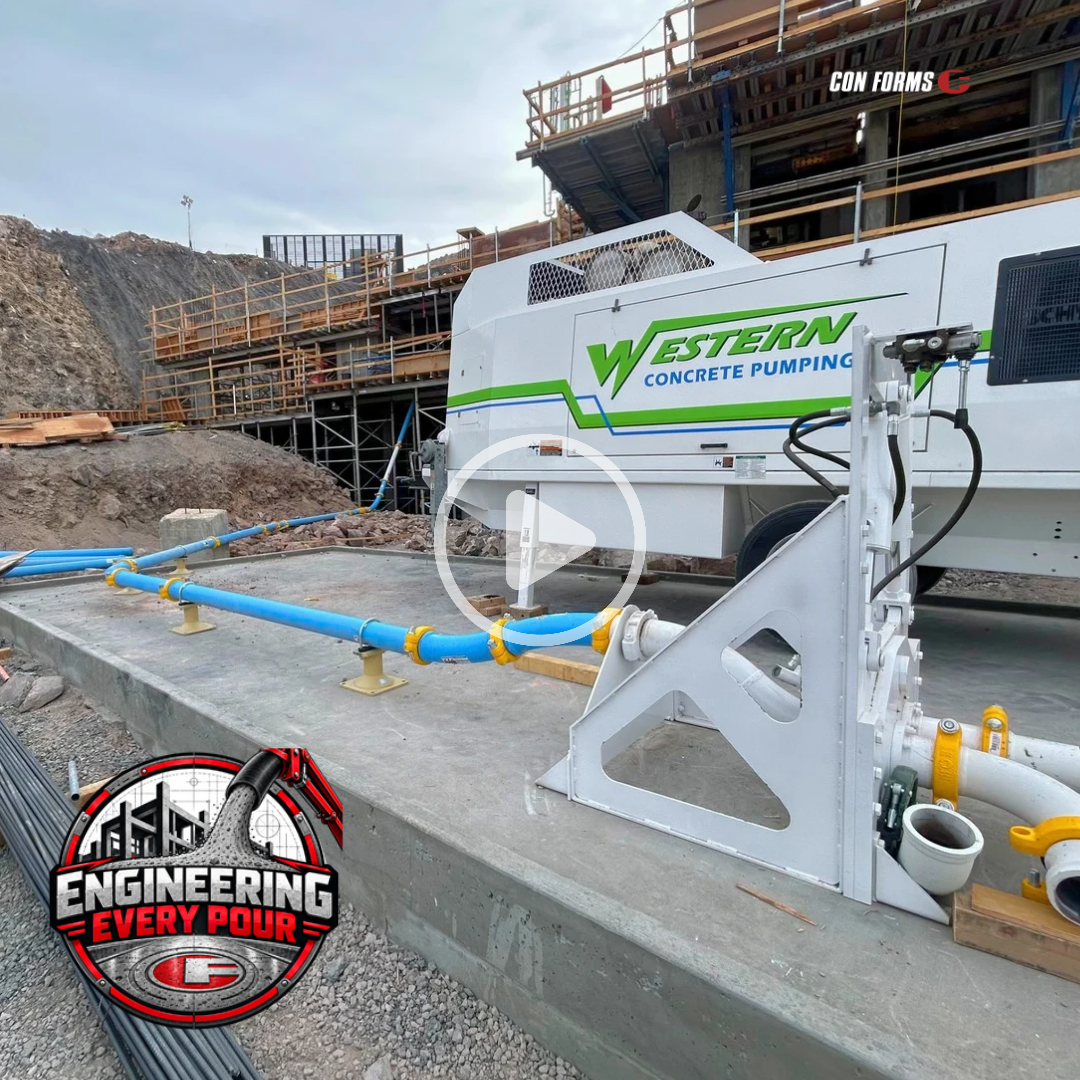
Downtime and missing maintenance schedules can happen. Tracking yardage can only identify an approximate system life cycle. A pipe failure on a job site can not only be an expensive exercise but can even result in being removed from a project. Similar to how your car alerts when your brake pads are worn, Con Forms is introducing a new concept in pipeline wear monitoring that will signal a worn-out area of a boom kit without having to take it apart. This sensor is integrated into a coupling gasket and includes a receiver that mounts onto a nearby pipe. As this area wears, a sensor wire is cut, signaling an issue before it can escalate. This new tool is not intended to replace regular inspections, but to complement and simplify them. When appropriately placed at a non-swivel, high-wear area, this sensor will be an effective early indicator that is easily visible to operators.
Conclusion
It’s time to start getting proactive about pipe wear. By combining traditional best practices with modern innovation, you can ensure your concrete pump truck remains safe, efficient, and job ready.